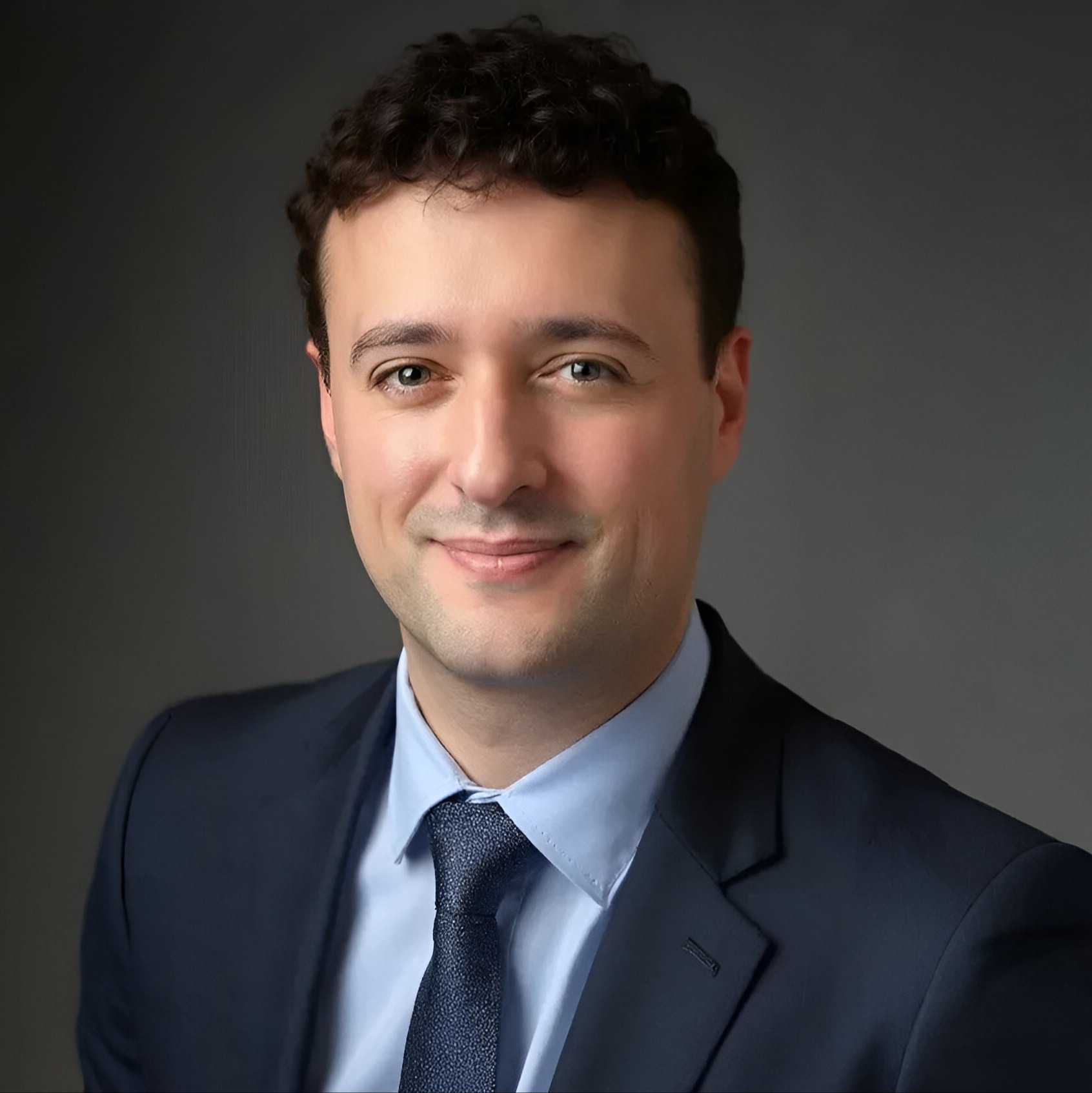
Thomas Reichert
Intellectual Property Attorney
Reichert Legal Services
Assistant Professor of Law
Southern Illinois University Simmons School of Law
I bridge the worlds of legal scholarship and practice. As a professor, I teach core doctrine and advanced courses in business and intellectual property law while conducting empirical research on trademark doctrine. As a consultant, I advise law firms on complex IP matters across diverse technologies and industries, from Fortune 5 companies to emerging startups.
Practitioner
Through Reichert Legal Services, I serve as an "attorney's attorney" for sophisticated IP questions. I've counseled Fortune 5 companies, innovative startups, and international clients across an extraordinary range of technologies and industries.
- Startups to Fortune 5 companies
- U.S. and international portfolios
- Patent prosecution & trademark strategy
- Attorney training & mentorship
Scholar
My research applies computational methods to longstanding doctrinal questions in intellectual property law. My current project demonstrates that the traditional thirteen-factor DuPont test effectively collapses to just two factors, a finding with significant implications for trademark practice.
- Empirical legal studies
- Trademark doctrine
- Computational legal analysis
- Multifactor test theory
Featured Research
Doctrine, Data, and the Death of DuPont
Using large language models to analyze thousands of TTAB decisions, this paper demonstrates that the traditional thirteen-factor DuPont test effectively collapses to just two factors: mark similarity and goods relatedness predict outcomes with over 99% accuracy.
What They're Saying
This paper could be very useful... Empirical support for John Welch's mantra, which turns out to be understated: mark and goods don't predict 95% of the outcomes of 2(d) appeals to the TTAB, they predict 99%!
Rebecca Tushnet, Frank Stanton Professor of the First Amendment, Harvard Law School
The 13-factor DuPont analysis to determine likelihood of confusion is not as complex as it appears when practicing before the Trademark Trial and Appeal Board... Just two of the factors can be used to predict whether the board finds challenged marks confusing 99.57 percent of the time.
MLex, Global Regulatory Intelligence